Showing posts with label history. Show all posts

10/23/23

Decolonisation of Academia

There will soon be a public event at University of Bergen called Decolonisation of Academia. I am one of the invited speakers for it, and look forward to the discussion. It is hosted by SAIH, the Norwegian Students' and Academics' International Assistance Fund. Below is an announcement about the event from SAIH-Bergen: 


Decolonization is an important topic within the field of academic freedom. Within academia decolonization can be discussed in relevance to curriculum, scientific methods and university culture. Questions such as : ‘’What is valuable knowledge?’’ or ‘’What is valid research?’’ can make us reflect upon old colonial influence and how it is constraining science and corrupting power relations within academia. Approaching this topic from both international and Norwegian perspectives will help in understanding the recent efforts and discoveries in achieving decolonization. At its core, decolonization within academia aims to restructure power systems which do not support adequate development of research and by extension, society. 

-----

In this panel discussion we have the following panelists:

- Anwesha Dutta, PI of an NFR (NORGLOBAL) project, "Prioritising the Displacement-Environment Nexus: Refugee and IDP Settlements as Social- Ecological Systems."

- Carmeliza Soares da Costa Rosário,  postdoctoral researcher at Chr. Michelsen Institute (CMI) and a Development and Social Anthropologist. 

- Lise Rakner, PI of Norhed:  epistemologies Decolonizing Epistemologies: Disciplines and the University in Relation to the Society and the World (NORHED II).

- Wesley Maraire, a guest researcher and affiliate at the Centre on Law & Social Transformation: CMI (University of Bergen).

- David Gabriel Hebert, who has contributed to the fields of comparative education and East Asian Studies.

--------------------

The panel will be moderated by Morgan Alangeh. 

Location: Ulriken Aula, Ulrikes Pihls Hus, Professor Keysers gate 1, 5007 Bergen

This event is part of Internasjonale Uke.

--------------------

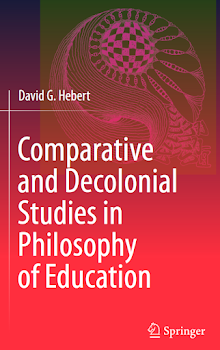
Here are some recent publications that have aimed to decolonize approaches to philosophy of education as well as both teaching and research activity in music history, music education, and music performance studies in higher education:

Some of my recent projects have introduced principles of decolonization through international cooperation:


7/26/22

Malay Nobat: Vol. III of Deep Soundings


Volume III of our Deep Soundings book series has now been published by Lexington Books (of Rowman & Littlefield Press). This volume is an insightful monograph on the Southeast Asian tradition of Nobat court music: The Malay Nobat A History of Power, Acculturation, and Sovereignty, authored by Raja Iskandar Bin Raja Halid.

We continue to seek book proposals for the Deep Soundings series that promise to offer unique knowledge regarding the musical past, and would welcome high quality contributions that address any genre or location worldwide. Below are a few examples of what prominent scholars have to say about Halid’s book …


“This book takes the reader to a fascinating musical soundscape in the royal courts of Malaysia that is unimaginable to most music lovers today. Raja Iskandar Bin Raja Halid skillfully describes the history and significance of nobat and explains why and how it still has symbolic meaning today.”

— Margaret Kartomi, author of Performing the Arts of Indonesia: Malay Identity and Politics in the Music, Dance and Theatre of the Riau Islands


"Raja Iskandar Bin Raja Halid’s detailed and erudite study of the nobat of the Malay world is also a study of a neglected, but vital, facet of Islamicate culture – the trumpets, pipes, and drums that have served as accoutrements of the ruler’s spiritual and temporal power since early times. The author approaches both the local and the colonial historical sources with a keen eye and sharp ear in this consistently engaging, well-researched volume."

— Martin Stokes, King's College, London


7/25/22

Second East African Teacher Education Symposium

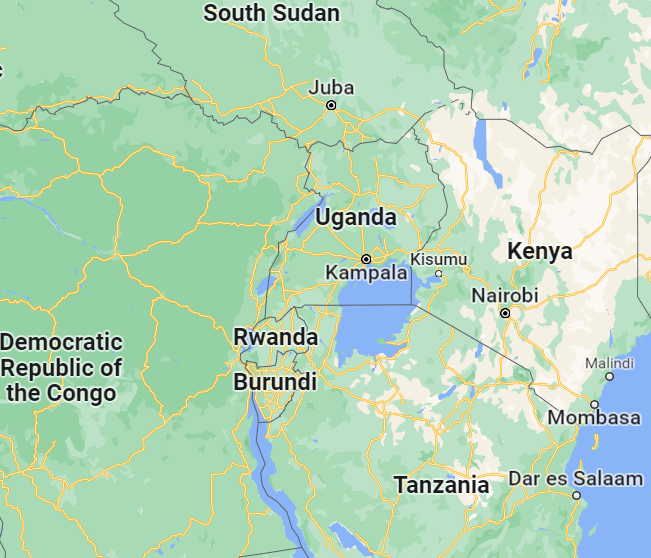
The second annual East African Teacher Education Symposium will be held at Makerere University in Kampala, Uganda on November 9-11, 2022. This year the EATES theme concerns how the Covid-19 pandemic has impacted education in this region.  

Click HERE for more information on the 2022 EATES.

Click HERE for information about the first EATES, in 2021.


via GIPHY

ISME History Standing Committee

The History Standing Committee of the International Society for Music Education is one of four Committees charged with directly supporting the organization’s executive leadership. Its mission is to “identify and create opportunities to celebrate and showcase the history of the Society and music education internationally.”


The work of the ISME History Standing Committee includes such activities as producing historical materials, coordinating archival contributions, recommending policies for historical documentation, planning of history sessions for world conferences, and developing closer ties with other relevant organizations. For several years the committee has been led by professor Marie McCarthy.   


It is a pleasure to report that I have now been appointed Chair of the History Standing Committee during an important period in which ISME is planning for its 70th and 75th anniversaries. 


In music, like other subject areas, those in the field of education often underappreciate the value of historical studies, which offer unique insights into how ideas and practices develop and spread, as well as how social and institutional conditions impact all aspects of the conditions in which teaching and learning occur. I am confident that through the work of the History Standing Committee we will be able to draw renewed attention to what can be learned about the present and future through careful examination of the past. In particular, I am interested in supporting revisionist approaches that call for a more comprehensive inclusion of all people, genres, pedagogies, and forms of informal learning that take place in diverse communities--in interaction with schools--through our documentation of the global history of music education.   


Image retrieved from: https://en.wikipedia.org/wiki/Apsara#/media/File:File-Apsara_playing_a_Chinese_flute_-_Yulin_Cave_15.jpg

6/20/22

ISME world conference online


This is an exciting time for music educators, as the meeting of the largest organization in our field—the ISME world conference—is approaching in mid-July, hosted virtually from Queensland, Australia. For this meeting, I will be giving presentations in three sessions, one of which I will chair/organize.


“Seeing Through a Wider Lens: Revisionist History in Music Education,” Chair: Craig Resta. Panelists: Marie McCarthy, David Hebert, Benon Kigozi. 

Abstract

Looking at historical events is one way to better comprehend how prior actions can influence future progress. Often our narratives about the past have been framed through certain lenses that may not reflect the realities of the time, or the perspectives of today. As a result, there are people and histories and happenings that have untold stories needing more attention.  A primary idea of this panel is to discuss definitions of revisionist history, why it matters, and innovative approaches to understanding who we are, how we move ahead, and how to make progress towards social justice as dialogue and practice in the field. 

 Examples might be women in music education, international perspectives, LGBT issues and music teaching, marginalized populations, ethnicity and race, sociocultural influences connected to musical experiences, critical pedagogies and practices, cultural understandings, and diversity and pluralism in numerous settings. Others may be technology aspects, policy, reform, and institutional protocols, nationalism and musicological studies, and so on. Further viewpoints include how historical events play out in our profession, examples from the literature, and potential impacts on music teaching and learning in multiple countries and circumstances. This participatory discussion will tackle these issues representing viewpoints and perspectives from North America, Europe, Middle East, Scandinavia, Africa, and Asia. Scholars on the panel include those from the United States, Ireland, Norway, Israel, and Uganda. While more history needs to be done generally in music education, there can be even more attention to ideas and people and happenings that many of us do not know today. Aside from the historical events themselves, is the important discussion of history, and how we think and do it in practical context. What is our purpose in historical inquiry and reflection, and how can the outcomes make the musical experiences of those around us better?


“Musical Communication with China: An International Dialogue,” by Jiaxing Xie and David Hebert

Abstract: 

How does music enable intercultural communication and dialogue in education? From a traditional Chinese perspective, music is composed of three levels: form, function, and metaphysical dimensions. Musical communication and dialogue are thereby believed to originate from these three levels, which may serve as a framework for understanding interactions with the West. By the year 1600 Mateo Ricci had performed western music in China, but it was only since the 1840s that Western music began to profoundly influence Chinese music culture with varying intensity according to the evolving sociopolitical situation. Across generations, Chinese musicians have actively participated and reflected on the three delineated levels, but after nearly 200 years of intensifying musical “communication” how much do most Western people understand about Chinese music, even during this “information age”? We will examine specific cases of interaction between Chinese and Western musicians that have sought to improve intercultural understanding, and reflect on ways of evaluating the educational and social impact of such endeavors. Our account will take into consideration the arguments of notable Chinese international relations scholars, including Xiaoying Qi and Yaqing Qin, as well as perspectives of musicologists from China and other countries. One important development in this area was the establishment of institutions for learning Chinese musical instruments in Europe, but we note that enthusiasm for Western music in China has generally been stronger than enthusiasm for Chinese music abroad. When it comes to musical collaboration between China and Norway, for instance, we identify specific phases of development (e.g. 2000-2009, 2010-2019, etc.). In our view, robust intercultural exchange in music requires not only performances and symposia, but also in-depth dialogues, including co-authored publications of the kind that we are developing across years of collaboration.


“Ready to Conduct Historical Research?: Dialogue with Mentors.” Chair: David Hebert; Panelists: Marie McCarthy, Jane Southcott, Phillip Hash, Benon Kigozi, Robin Stevens, Craig Resta, and Casey Gerber 

Abstract: 

The purpose of this meeting is to provide an open session for mentoring of early-career scholars and doctoral students. All ISME participants interested in historical research in music education are warmly welcomed to the session for discussion of their project concepts. Distinguished historians and mentors have agreed to participate in this session, including Marie McCarthy, Jane Southcott, Phillip Hash, Benon Kigozi, Robin Stevens, Craig Resta, and Casey Gerber. The session is chaired by David Hebert. The mentors will offer advice regarding previous studies as well as appropriate theoretical and methodological approaches. In addition to an opportunity for mentoring, this meeting also offers a chance to discuss future projects of the ISME History Standing Committee. 


Public domain image from: 

https://en.wikipedia.org/wiki/Didgeridoo#/media/File:Didgeridoo_(Imagicity_1070).jpg 

11/8/21

Oral History Discussions

Dr. Yang Yang at Education University of Hong Kong has just posted a brief interview based on questions that emerged in response to one of my earlier videos – “Oral History Methods for Sustaining Music Heritage in Education” – which was widely shared in China.


Click HERE to access the new Q&A session.


Click HERE to access an explanation and link to the original video (speech) that served as a basis for this Q&A session.


English versions are available on each of the above sites, but it is necessary to scroll to the bottom of each page.


Pictured above is a public domain image, a sketch of the Old Summer Palace in Beijing, where western music was often performed before the palace grounds (including concert hall) were destroyed in 1860 during the Second Opium War.

10/26/21

East African Education and Doctoral Supervision

I look forward to participating soon as a session chair and discussant for the first East African Teacher Education Symposium: Challenges and Opportunities in Teacher Education (November, 2021). This initiative was developed through the Norad-sponsored CABUTE project, and will take place both online and physically at Makerere University, in Kampala, Uganda. Eight presentations at this symposium - around half of what was selected for this event - are concerned with music-related topics, including papers by accomplished scholars such as James Isabirye, Nicholas Ssempijja and Milton Wabyona.

It was also a pleasure to learn yesterday that I have been formally appointed by the Royal Danish Academy of Music as a doctoral supervisor for a dissertation through Aalborg University concerned with online music learning between Denmark and China. It promises to be a very interesting project, and this means that I will soon have served on doctoral committees for universities in 11 countries, each of which has been uniquely stimulating. Later this week I teach for University of Bergen’s annual university-wide course on Doctoral Supervision, and next week I will be in Iceland for the NNME intensive course/conference. 


Although the pandemic has made international initiatives more challenging than before, it is encouraging to see that many forms of collaboration are still possible.


Image of Makerere University retrieved from: https://commons.wikimedia.org/wiki/File:Ssetendekero_Makerere.jpg

7/3/21

Oral History and Music Education in Africa


It is a pleasure to soon be giving my first presentation for the Pan-African Society for Musical Arts Education (PASMAE, Zambia, July 2021). It is part of a symposium convened by Marie McCarthy called Sounding the Past, Giving Voice to the Future: Oral History and Its Place in Music Education Research. 


My presentation is titled “Oral History Methods for Sustaining Music Heritage in Education” and the other panelists include Benon Kigozi and Milton Wabyona, in addition to Marie McCarthy and myself. 

Here is a link for more information on the PASMAE conference: https://www.pasmae.africa/ 

via GIPHY

5/31/21

Asian Educational Philosophies


Our special issue on Asian Educational Philosophies has now been published in the Nordic Journal of Comparative and International Education (2021, vol.5, no.2): https://journals.oslomet.no/index.php/nordiccie/issue/view/425

This publication was developed in collaboration with doctoral students from several countries who were enrolled in 2020 in the new course PhD911: Non-Western Educational Philosophy and Policy. We are also developing a book which will include additional chapters and extended discussion.

It is inspiring to see what these young scholars have accomplished, and their work promises to have enduring value.

The course will be offered again soon, in Autumn, 2021 (October 11-22). It is taught entirely online, in intensive format, and available to PhD students anywhere in the world for transferable European higher education credits (5 ECTS).  

1/16/21

Symposium on Comparative Educational Philosophy


UPDATE: Here is a link for those who would like to join our online presentation Comparative Philosophies of Education: https://baice.ac.uk/events/baice-students-roundtable-session-comparative-philosophies-of-education/


I look forward to giving an online presentation on January 29 for the British Association for International and Comparative Education. My role for our symposium is as a Discussant, responding to philosophical papers presented by a group of excellent PhD students from five different countries—Adam Switala (Poland), Thu Thu (Myanmar), Czarecah Tuppil Oropilla (Philippines), Luna Luo (China), and Dorothy Ferary (Indonesia)—who are among those that participated in my 2020 course PhD911: Non-Western Educational Philosophy and Policy.


It is exciting to see what these bright young thinkers are accomplishing, and a thrill to be part of it. They are from the same group of scholars who are collaborating with me in development of a special issue on Asian Philosophies for the Nordic Journal of Comparative and International Education


This BAICE event is hosted by Dorothy Ferary, to whom we are grateful for the invitation. We are eager to present our ideas, obtain feedback, and publish our work within a few months. A link to the event, with further details, will be posted here when it is made available. 


I am hoping we will also manage to attract a few more qualified students to the upcoming Bergen Summer Research School, which includes a new PhD course Internationalising Higher Education


12/3/20

Ceremonial Music in 2021


Since ancient times music has been used to set the tone for important events, an essential part of rituals in all cultures worldwide.

Near the conclusion of such a challenging year (2020), I am optimistic to now be developing original music for two events in 2021:

  • Fanfare for the inauguration of the new rektor (president) at Western Norway University of Applied Sciences, historian Gunnar Yttri.
  • Music for the opening ceremony of the Bergen Summer Research School, an international PhD-level collaboration between multiple research institutions in Bergen, Norway.

Both of these events will mostly occur online, but we are hopeful that the ongoing pandemic will become much less of a concern in the coming months, making the planning of “live” events ever more realistic.

https://www.hvl.no/aktuelt/gunnar-yttri-offisielt-innsett-som-rektor/

How ceremonial music should sound in 2021 is an interesting question. Composers and songwriters often struggle to find an ideal balance, in the hope that audiences will not regard their work as either too conservative, too commercialized, or too abstract and complex. Music for events of this kind—with a truly diverse audience—should sound different from music designed to advance the artform with techniques that may only be fully appreciated by composers and professional musicians. It also should not sound like something that belongs in a different century, or that is pop-influenced to the point of seeming condescending to the audience. It is meant to create a serious yet festive mood and focus attention on a significant point in time and space.    


[Public domain image: https://upload.wikimedia.org/wikipedia/commons/9/9c/Russian_Fanfare_Trumpets.jpg]

11/19/20

Asian Educational Philosophies


It is a pleasure to announce a special issue of the Nordic Journal of Comparative and International Education on the theme “Rethinking Asian Educational Philosophies” (edited by David Hebert). This issue is currently under development for publication in early 2021, and promises to be a unique resource, with updated studies of educational thought in China, Indonesia, Myanmar, the Philippines, Japan, India, and elsewhere. More details will be posted here in January.


UPDATE (30 January 2021): We have submitted this special issue to NJCIE today with the following article titles:

·       Editorial Introduction: Global competence, decolonization, and Asian educational philosophies”

·       “Comparison of self-reflection in Humboldtian Bildung and the Kyoto School: Educational implications in light of OECD frameworks”

·       “Intergenerational learning and programming: Perspectives from the Philippines”

·       “The Self-Orientalization of Polish music education”

·       “A balanced perspective embodied in Tagore and Hu Shih’s educational philosophies”

·       “Cai Yuanpei’s vision of aesthetic education and its heritage in contemporary China”

·       “On Ki Hadjar Dewantara’s philosophy of education”

·       “Overcoming performativity in Myanmar’s education: Lessons from Theravāda Buddhism”


Also, below is the poster for Bergen Summer Research School, 2021. This is a unique opportunity for PhD students to take an interdisciplinary course for ECTS credits along with doctoral students from around the world. Due to the pandemic, it will be entirely online, and free of charge. The application deadline has been extended to 19 February 2021. 


I will be teaching the BSRS course Internationalizing Higher Education, which is designed to offer new ideas for how to enhance international cooperation among universities. Like previous years, I am also developing original music for the opening event, but this time it will probably need to be a sound recording rather than live performance. 


Here are links for more information:

https://www.uib.no/en/rs/bsrs/138795/internationalizing-higher-education

https://www.uib.no/en/rs/bsrs


10/24/20

Doctoral Supervision Course


UPDATE: Click HERE for my video on doctoral supervision in music and click HERE for my recent publication on this topic. Since the time of this video, I have been asked to teach for a fourth year of the Doctoral Supervision course at UiB (2020, 2021, 2022, 2023) and later launched a new course on research supervision at HVL. I more recently served on new PhD supervisory/examining committees in Denmark (students at two institutions), Lithuania (two students), Uganda and Faroe Islands (from 2023), China (2024), Malaysia (2025) and UK (2025), meaning that as of 2026, I have served on doctoral committees in 17 countries. In early 2026, I was also asked to serve on a doctoral committee in Malta, but this is still being formally confirmed by the university. 
It was a great pleasure to serve as one of the four invited panelists for a course yesterday (October 23, 2020) on Doctoral Supervision at University of Bergen, UPED 691: Becoming a Supervisor: Community, Expertise, Dialogue. Mentoring doctoral students is both an unusually challenging and fulfilling responsibility, as one guides a mature learner toward developing new knowledge as a scholar. It is helpful to provide courses of this kind to young professors, since sometimes those who are appointed as doctoral mentors have expertise in their specialized field but have taken few opportunities to systematically consider various approaches to mentoring. There is now a growing corpus of research on mentoring that can serve as a useful reference for those seeking to improve upon their approaches to doctoral supervision. 

In preparation for the panel, I reviewed several recent studies on PhD education, and reflected on my own experience as a doctoral supervisor. In my current job (within a recently merged institution that is seeking full research university status) there have been few opportunities to mentor doctoral students, but I have enjoyed much doctoral supervision in several previous jobs as well as recently through various adjunct (visiting professor) positions in Europe and Asia. In all, I have served on 15 doctoral committees, with universities in 10 countries in Europe, North America, Africa, and Asia. This includes dissertation studies using a variety of research methodologies, from ethnographies, historical studies, surveys and experiments, to philosophical and mixed methods studies. Education and music are fields in which there is much interdisciplinary research, with interesting opportunities to study diverse topics using an array of methodologies and theoretical approaches, which is quite stimulating. 

Our panel included some excellent researchers who shared experiences from an array of fields, from natural sciences to higher education, arts and therapy. Around 40 professors--recent hires from all across the university--participated in the course, and I think the four panelists shared helpful anecdotes and recommendations through our discussion and question/answer session. One of the panelists, Sally Barnes from the University of Bristol, especially reminded us of the importance of really knowing ourselves as part of the mentorship process. There are many indications that doctoral programs face increasing pressures that threaten to lower standards, and I think it is in everyone’s interest to ensure that quality and high academic standards are maintained through transparent application of well-conceived policies and procedures. At the same time, it is important that both PhD students and their mentors are given appropriate support using strategies informed by the latest research findings.

10/9/20

Eurasian Music Science Journal


Just today I learned that I have been appointed to the Editorial Board of the Eurasian Music Science Journal. This will soon be announced on the journal’s website. EMSJ is a fully refereed journal that publishes two issues per year in Russian and English languages. 

Based in Uzbekistan, the Eurasian Music Science Journal is rapidly becoming recognized as an important resource for studies of traditional music in Central Asia. While I already serve on several other Editorial Boards, this one has a rather different profile, and I am excited to see what we can develop with future publications. 

Here is a link to the journal:

https://eamsj.uz/index.php/eamsjournal/index

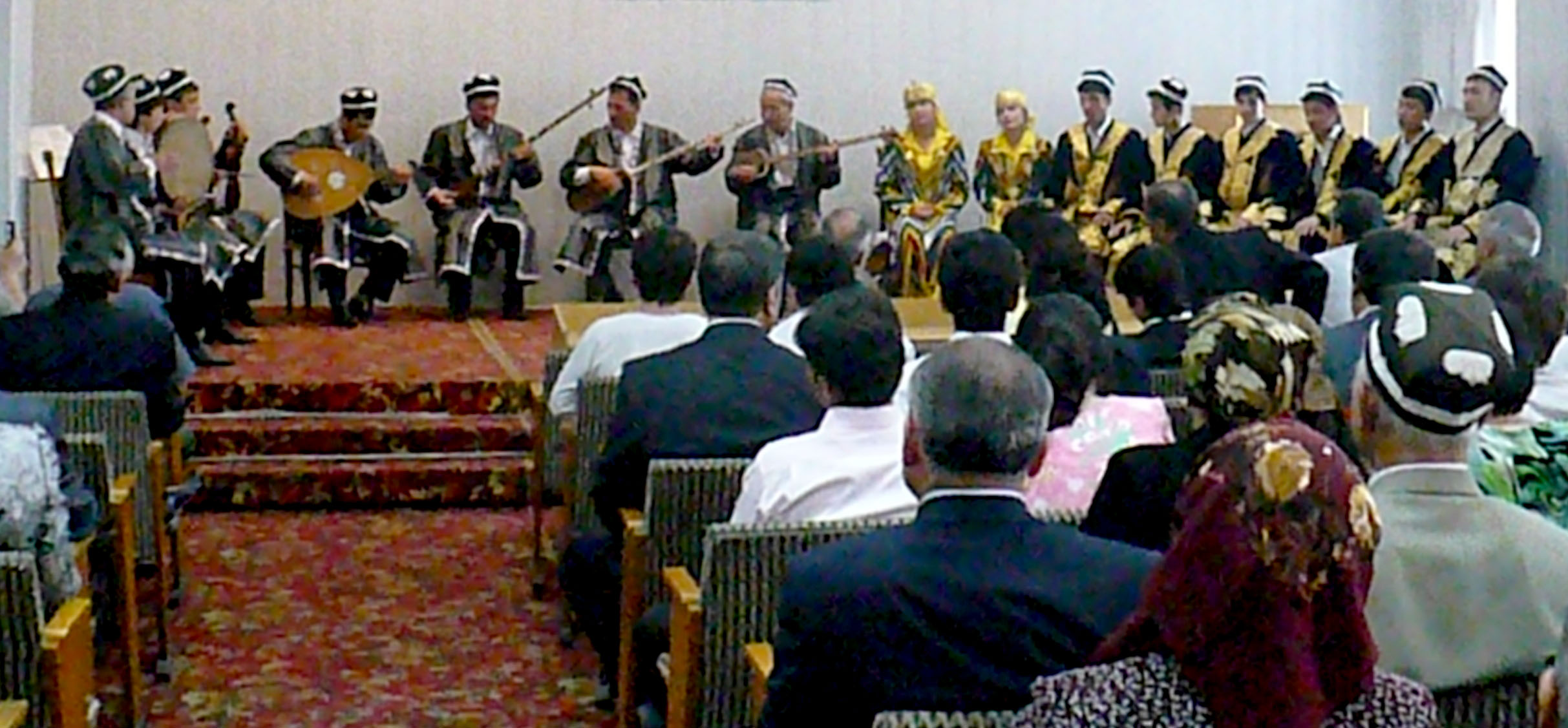
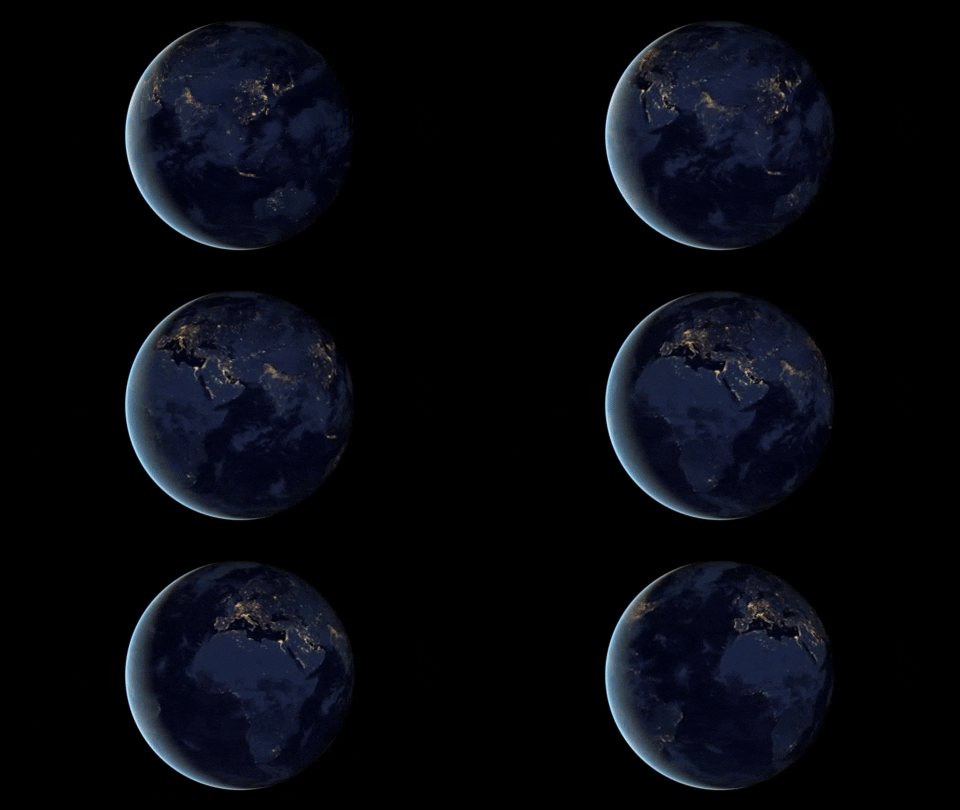
Shown above is a public domain image of a performance of Shashmaqam, the profound musical heritage of Uzbekistan and Tajikistan. Below is a visual representation of the Eurasian landmass.   


10/2/20

Norwegian Folk Music Pedagogy


Next week our teacher education students in Bergen will enjoy an intensive schedule of lessons in Norwegian folk music provided by Ole Bull Academy

The skilled Norwegian folk musicians, dancers and scholars who will teach for this course include Arne Anderdal, Lajla Buer Storli, Hans Christian Dahlgaard, Jo Asgeir Lie, Astri Sudmann, John Ole Morken, Lars Fivelstad Småberg, and Stein Villa. 

We look forward to learning many unique songs and dances associated with local heritage. Hopefully when our students themselves become teachers, they will effectively share these rich traditions with many students. 


9/20/20

Summer Course 2021: Internationalizing Higher Education


Applications will soon be accepted for the intensive PhD course Internationalizing Higher Education, to be offered through Bergen Summer Research School (June 7-17, 2021).


Depending on the status of the pandemic, the course may be offered entirely online or face-to-face in Bergen. Typically, many students receive scholarships to cover the expense of participation, and the BSRS courses (for ECTS credits) attract PhD students from all around the world.


The application deadline is February 1, 2021. More details will be available soon, and linked to here with updates. For now, click HERE for the course announcement on the BSRS website, click HERE for an earlier announcement about the course concept, and click HERE for the BSRS website with details regarding the application process.


8/4/20

International PhD Course in Summer 2020

Sunnhordland newspaper recently published a description of innovative approaches in a new course that I developed and taught during the summer (July 14, 2020 edition, p.5). I would like to thank editor Hilde Vormedal Nybø for approving its publication, and here is a link to Sunnhordland, which I encourage Norwegian readers to support: https://www.sunnhordland.no/

The article describes an example of how the higher education sector in Norway has devised creative ways of strengthening international education despite the challenges of the Covid19 pandemic. In May and June of this year, Høgskolen på Vestlandet (HVL) offered the new course PhD 911: Non-Western Educational Philosophy and Policy within its PhD program in Bildung and Didactical Practices. Fitting its international theme, the course was taught in English, and due to the Coronavirus, all course activities were facilitated through online learning. 

Click HERE for further information about this course, which we look forward to offering again in 2022. Also, click HERE for information on the upcoming intensive summer PhD course Internationalizing Higher Education, to be offered through Bergen Summer Research School.  

6/17/20

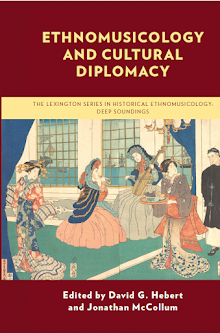
Ethnomusicology and Cultural Diplomacy


For many generations, the cross-cultural study of music has been an important way of both fostering intercultural understanding and strengthening international relations. What counts as heritage has been rapidly changing as a consequence of globalization and commodification, and today western art music and hip-hop may be as much a part of cultural diplomacy as traditional folk music and Indigenous traditions. 

The book Ethnomusicology and Cultural Diplomacy (forthcoming, April 2022, Lexington Books/Rowman & Littlefield) aims to examine this topic to an unprecedented level of detail, from the perspectives of cultural diplomacy, international law, and (ethno)musicology. This unique book promises new insights for educators, researchers and policy-makers.

Click HERE to learn about the book’s contributing authors.

Click HERE for an article related to this topic from The Norwegian American.


This book is a new volume under development that is forthcoming in the series Deep Soundings: The Lexington Series in Historical Ethnomusicology.


4/10/20

Cultural Heritage Policy Book

A few days ago I was able to complete and send the detailed plans for a new book that is being developed by an excellent group of contributing authors. They seem to be an ideal team for our topic, and I am thankful for their important contributions to an international-comparative volume that is likely to change how music is understood in the context of international relations.

It seemed worthwhile to introduce the team here, as they proceed with further development of their chapters.


About the Contributing Authors:

UPDATE (July, 2021): Five additional contributing authors have been added to this project: Koji Matsunobu, Ambigay Yudkoff, Lauren Braithwaite, Jan Magne Steinhovden and Chaden Yafi. The full manuscript of this contracted book has been submitted and is now under editorial review. 

Koji Matsunobu is Associate Head of the Department of Cultural and Creative Arts at the Education University of Hong Kong. An accomplished player of the Japanese shakuhachi flute, he holds PhD degrees from both Tokyo Gakugei University and University of Illinois, and is widely published on such topics as music education, spirituality, mindfulness, Indigenous knowledge, and creativity. 

Ambigay Yudkoff holds a PhD in Musicology from the University of South Africa. She has served as guest conductor of the Sai Movement’s youth choir of Isipingo in South Africa and the Battenkill Chorale of Vermont in the United States, each boasting notable performances for Nelson Mandela. Her monograph on Sharon Katz is volume 1 of the Deep Soundings series: Activism through Music during the Apartheid Era and Beyond: When Voices Meet

Lauren Braithwaite is a PhD student in music at Oxford University who has lived and worked in Afghanistan across recent years, where she researches music education in the ‘post-Taliban’ era. Her study focuses on Zohra, Afghanistan’s first all-female orchestra. 

Jan Magne Steinhovden is a Lecturer at NLA University College and Ph.D. Candidate with the University of Bergen, Norway. He spent much of his childhood in Ethiopia and holds a Master of world music studies from the University of Sheffield. His dissertation concerns music and identity among Ethiopian and Eritrean refugees in Norway. 

Chaden Yafi is a professionally-trained pianist and music educator with a doctorate in music from Boston University. Born in Syria, she has published on musical aesthetics and held a full-time position as a recitalist with the National Opera House in Damascus before moving to the USA. She now teaches many piano students in the Houston area. 

Marja Heimonen, DMus, Docent in Music Education, is a University Lecturer at the University of the Arts Helsinki. She also has a master-level law degree from University of Helsinki. In addition to her doctoral dissertation on music education and law, she has published chapters in books and anthologies, and articles in several different scholarly journals. She is the Managing Editor of the Finnish Journal of Music Education.

Juqian Li, PhD, is a Professor of International Law with China University of Political Science and Law, Beijing, where he has directed the Public International Law Research Institute. He is also Director of Norway’s Confucius Institute and has been a visiting professor in South Korea and Iceland. He has authored 15 books and 20 articles on international law and international economic law, including in Introduction of Space Law, WTO Dispute Settlement Mechanism, International Law, and International Law Commentary.

Marianne Løkke Jakobsen is Director of International Affairs with the Royal Danish Academy of Music, Copenhagen, where she also has served as founding Director of the Music Confucius Institute. She has led several projects that advance music collaborations between China and Europe.

Jonathan McCollum, PhD, is an Associate Professor with Washington College (USA) and founding Chair of the Historical Ethnomusicology special interest group of the Society for Ethnomusicology. He is known for his widely published contributions to the historiography of global music, and music traditions in Armenia and Japan.

Elnora Mamadjanova, PhD, is Associate Professor in the Department of Music History and Criticism with the State Conservatory of Uzbekistan, Tashkent. She has coordinated several international musicology symposia affiliated with international music festivals in Uzbekistan. Her publications include the book Traditional Music of the Uzbeks (Extremum, 2016).

Nguyễn Thanh Thủy, PhD, is a leading Master performer of the Vietnamese traditional instrument dan tranh who recently completed doctoral studies at the Malmo Academy Music, Lund University, Sweden and is now a Swedish Research Council funded postdoctoral researcher.

Stefan Östersjö, PhD, a professional guitarist and widely-published pioneer of intercultural studies in the field of Artistic Research, is now a full Professor and coordinator of doctoral studies in music at Lulea University of Technology, Sweden.

Nasim Niknafs, PhD, is an Associate Professor of Music Education at the Faculty of Music, University of Toronto. Nasim’s research concerning social justice, activism, and politics of contemporary music education is widely published. Concluding a longitudinal research on the music education of rock musicians in Iran, Nasim has recently begun research on migratory and diasporic practices in music education. Nasim holds degrees from Northwestern University, New York University, Kingston University, London, and University of Art, Tehran.

Karan Choudhary holds a PhD from the National Law University Delhi, India and Université Paris Nanterre, France. Presently, he is a Judge in Delhi, India. He was a recipient of an Erasmus Scholarship from the European Union. His research interests include culture, law, indigenous rights and policy designs, with publications in Interactions between Culture and Law in India and Europe, and Language, Law and Community.

Abraha Weldu holds a PhD in History and Cultural Studies from Mekelle University, Ethiopia. His doctoral dissertation is an intellectual biography of one of the most prominent diplomats and cultural attachés of twentieth-century Ethiopia. For more than seven years, he has taught courses in history and heritage studies at Bule Hora University. He was a participant in the Bergen Summer Research School in Norway.

Rhoda Abiolu is a Postdoctoral Fellow with the Durban University of Technology, and holds a PhD from the University of KwaZulu-Natal. Her research interests are in Media and Cultural studies with emphasis on media and cultural representations, ethnomusicology, participatory culture, and political economy. She was a participant in Bergen Summer Research School.

We have exciting plans for this book, and I am eager to see how the final version turns out as we obtain and respond to recommendations from an external reviewer. 


Click HERE to see reviews of my first six books.

3/21/20

Social Distancing and Scholarship


Ironically, the “social distancing” encouraged under pandemic conditions may actually create good conditions for some kinds of scholarship, with fewer distractions for those who are trying to complete projects. Under stressful conditions, it helps to have something meaningful to focus on while we wait for life to return to normal. 

Recently I am making a lot of progress on a book co-authored with Prof. Jiaxing Xie entitled On Music Education: East-West Dialogues (Shanghai Education Press, forthcoming), and have been developing new volumes for the Deep Soundings series in historical ethnomusicology (Rowman & Littlefield press). Several postgraduate students are making great progress on their theses, which I mentor through videoconferencing, and my institution has agreed to offer a new PhD course entirely online, for which I am now preparing material. We are also having students develop music performance projects through online collaboration tools, which is likely to be very useful experience for them in the long term. 

Over the past two months, I have completed reviews of articles and books for several refereed journals and academic presses: Music Education Research, World of Music, International Journal of Music Education, Research Studies in Music Education, Finnish Journal for Music Education, Research and Issues in Music Education, Nordic Yearbook for Music Education, Amsterdam University Press, Lund University Press, and Rowman & Littlefield. I have also approved some final edits to an article in Journal of Popular Music Education, sent a book proposal to Harvard University Press, and completed much work on a new book proposal for Rowman & Littlefield.

It seems we should always try to make the most of whatever conditions arise. Hopefully the pandemic will not turn out to be as bad as feared, but for now it is certainly threatening and great caution is warranted.

UPDATE: Online PhD Course in May 2020:
Click HERE for PhD-911: Non-Western Educational Philosophy and Policy.