8/22/12
Originality in Music
4/14/08
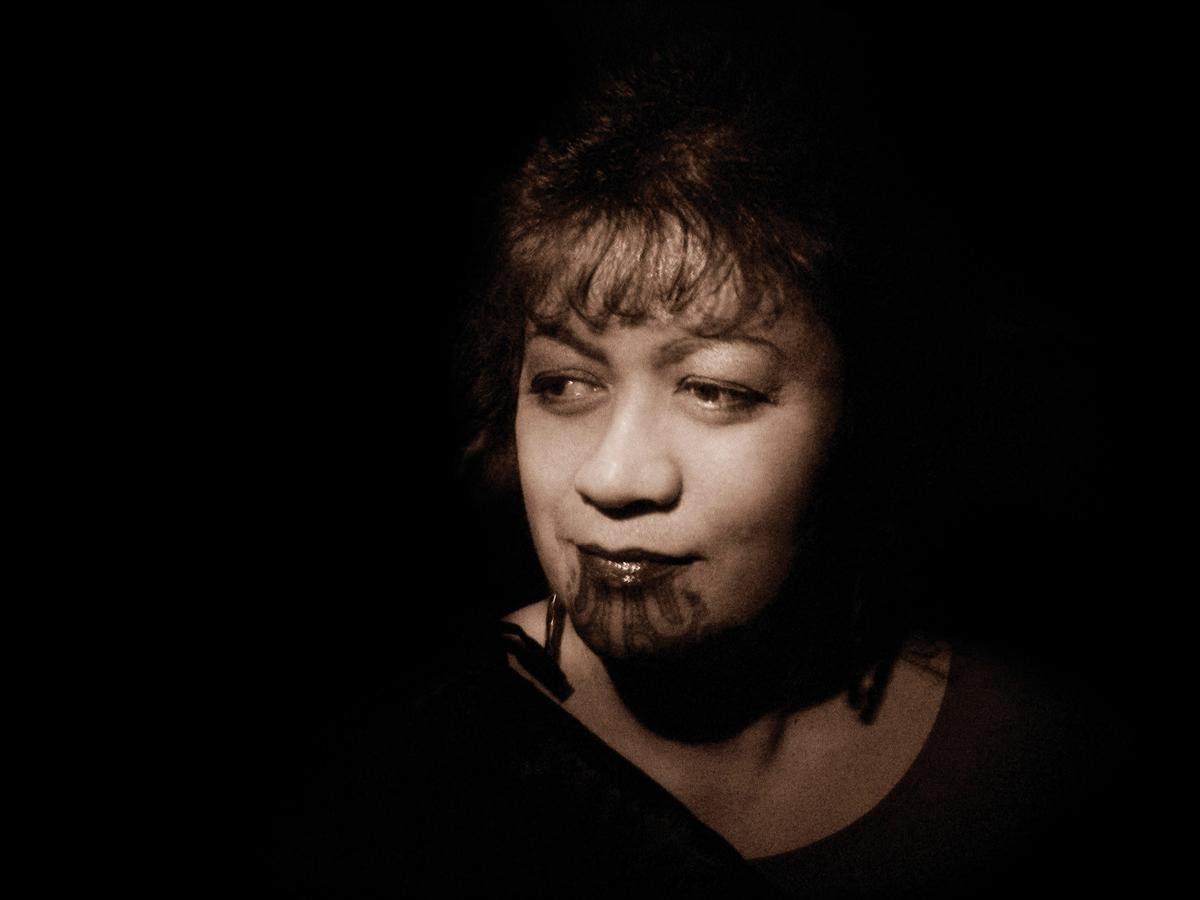
Mahinarangi
A New Zealand Maori of Ngati Raukawa, Ngati Tuwharetoa, and Tainui-Ngati Maniapoto (as well as Hebrew and Celtic) ancestry, Mahinarangi was a unique and prolific yet under-appreciated, artist.
Please see my earlier post on Maori women songwriters:
http://sociomusicology.blogspot.com/2008/02/maori-women-songwriters_02.html
http://www.kiwifolk.com/blog/2008/04/mahinarangi-tocker-mnzom-1956-2008.html
http://www.scoop.co.nz/stories/PA0804/S00391.htm
http://www.muzic.net.nz/artists/757.html
http://www.nzherald.co.nz/section/1/story.cfm?c_id=1&objectid=10504255
2/2/08
Maori Women Songwriters
In 2005 I began exploring the
Moana Maniapoto’s Life:
Moana Maniapoto’s Performance:
Whirimako Black’s ‘E Te Kai’ Video:
Mahinarangi Tocker (about one minute into this video on Kiwi poet Hone Tuwhare):
xxxxxxxxxxxxxxxxxxxxxxxxxxxxxxxxxxxxxxxxxxxxxxxxxxxxxxx
And, while on the topic of Kiwi music it seems best to also take this opportunity to introduce a few notable New Zealand bands:
Pan-Pacific band, Te Vaka:
Golden Horse:
A classic Kiwi hit song: Split Enz, "Message to My Girl":
Another classic Kiwi hit song, Crowded House, "Don't Dream It's Over":
Here is a link to Kirsten Zemke-White’s insightful scholarly article on
http://www.imageandnarrative.be/worldmusica/kirstenzemkewhite.htm
Finally, here is a link to a fascinating news story from New Zealand: dog music hit.
Personal Sound Archives
By now, the majority of these files are probably only of sentimental interest (and some have obvious performance errors or poor sound quality), but they demonstrate the diversity of musical activities I have been involved in over the years:
Here some tracks from my first orchestral composition Symphony for Yamanashi (1996):
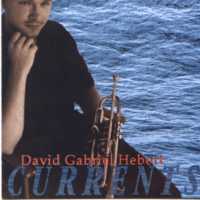
Three original songs from Currents, my jazz fusion album with Michael Horowitz, Ian Dobson, Andrew Glynn, and Donald Sweeney. I wrote the words and music for these tunes (1999):
- I Know Not Where (modal jazz - I play trumpet and sing on this one, even some throat singing) -
http://www.box.net/shared/atv85co84o
- Recollection (fusion soundtrack - This one is also with my cousin Justin Hebert on some of the keyboard parts, who added a lot to the tune) -
http://www.box.net/shared/bx0br9jwwg
- Love Re-Arranged (This is just me on solo guitar and voice, but I sang some backing vocal tracks too) -
http://www.box.net/shared/qjq0p9v4sg
This is not really a composition: three tracks of free improvisation with Tchaikovsky State Conservatory Wa-On Ensemble (now called Moscow Pan-Asian Ensemble). The image on the left is from one of their other albums, but the tracks here were recorded in Russia (2003). Each track is interesting for different reasons - (1) On the first, I play muted trumpet in some uncannily improvised gestures and harmonies in sync with two Russian shakuhachi players, (2) Here I interject some throat singing into the texture, (3) Here I add lyrical trumpet lines after about one minute into the final track:
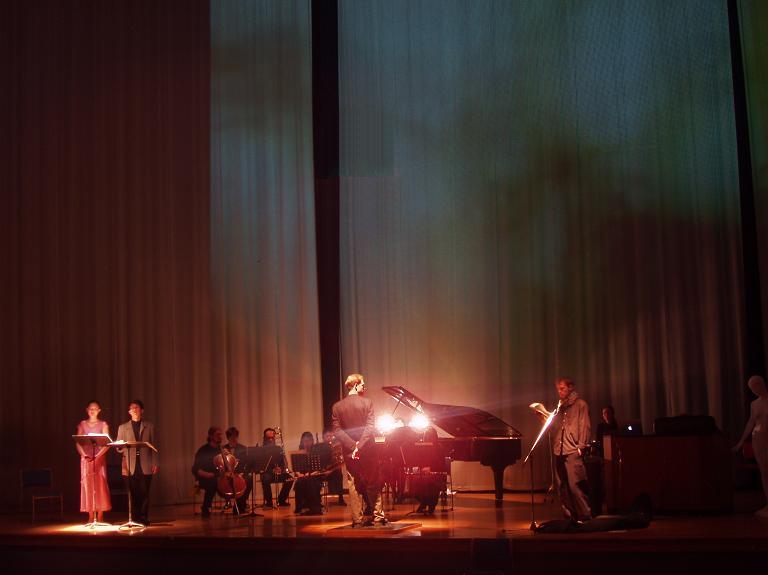
Three rather excruciating tracks from my opera Correspondence (quite poor sound quality and intonation at an early rehearsal in Tokyo, but hopefully one can still get the idea of what this becomes). Belgian artist Eric Van Hove wrote the libretto and co-directed the performance, and DJ Kenji Williams contributed greatly to some pieces, including the first track below (2003):
Here is a link to the opera’s website:
http://www.transcri.be/correspondence.html
“Arrival of the Sea Nymph” from Te Awha, Maori adaptation of Shakespeare’s The Tempest.
This psychedelic music was designed to accompany a mystical scene in a theatrical performance. I played keyboard sounds and sang layered lines, then let the narrator speak her lines above the mysterious atmosphere. The volume level is very low (2005):
“Muriwai Seascape” - inspired by one of my favorite beaches in
Finally, this one is NOT my own composition, but this excerpt includes some of my improvised trumpeting on a jazz album recorded fairly recently in
Also, here is a link to a recording from a gig I did on trumpet with renowned blues songwriter Lou Pride and the Rooster Blues Band (October, 2007):
There are a lot more recordings that I am not yet able to put online, but hopefully they can be posted later. Also, I have several new songs that I would like to record soon, so hopefully I can post more sound files - both better songs and better quality recordings - within a few months.
11/18/07
Ancient Japanese Wind Music
Kushida is one of the only influential Japanese band composers I had not yet had a chance to interview. Japanese composers are discussed in my forthcoming book, Wind Bands and Cultural Identity in Japanese Schools (Dordrecht and New York: Springer). Other notable Japanese wind music composers include Hiroshi Hoshina, Yasuhide Itoh, Isao Matsushita, Masamichi Amano, and Toshio Mashima. As part of this research, I also interviewed the Japan Bandmasters Association founder Toshio Akiyama, and discussed Japanese bands with leading Japanese musicologists as well as the managers of the Tokyo Kosei Wind Orchestra and Osaka Municipal Symphonic Band, All-Japan Band Association competition, Japan Salvation Army Bands, and the Central Band of the Japan Self-Defense Forces.
10/12/07
Messiaen Conference in Boston
This weekend (October 12-13, 2007) is a fascinating international conference of the Boston University Messiaen Project entitled “Messiaen the Theologian.” Musicologist and organ virtuoso, Professor Andrew Shenton is the conference organizer.
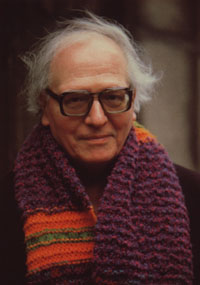
French composer Olivier Messiaen (1908-1992) was inspired by Asian musical traditions, and his work has been quite influential among leading Asian and European composers.
Today I attended an insightful presentation by Wai-Ling Cheong (from Chinese University of Hong Kong) on Messiaen’s use of Japanese gagaku music and the inspiration that the Torii of Miyajima (pictured below) offered to his work:
Olivier Messiaen was among the most innovative composers of the twentieth century, and his creative output represents an important example of how European art music has increasingly incorporated elements from musical traditions of other parts of the world. This is a topic of great interest to those grappling with the issues of hybridity and transculturation in musical creativity and education.
I encourage any musicians and scholars interested in such topics to attend the remainder of this conference.

https://orcid.org/0009-0002-1446-3893