Showing posts with label African-American culture. Show all posts

8/22/12

Originality in Music

After a lengthy review process, I have recently learned that another of my articles on the institutionalization of popular music is soon to be published. It will be in Music Education Research International (vol.5), a fully-refereed scholarly journal edited by Professor Victor Fung and published in an online, open-access format, and I understand the volume with my article will shortly be available. I have also added a link to the right side of this website for a separate page with a full list of publications. Below is the title and abstract for my upcoming article in MERI:


Originality and Institutionalization: Factors Engendering Resistance to Popular Music Pedagogy in the USA

David G. Hebert


Abstract

The roots of much of the world’s popular music may be traced to blues and rock – styles that originated in the Southern Mississippi Valley in the early 20th century – yet, when considered from a global perspective, performance of these genres has been especially slow to gain wide acceptance in schools of their homeland: the USA. This paper begins with identification of some inevitable challenges associated with institutionalization of novel artistic movements, and then contrasts these with factors perceived to have engendered resistance to the growth of popular music pedagogy (PMP). That PMP is increasingly accepted while genres such as blues and rock come of age (and stake a claim to cultural heritage) is no coincidence. This discussion illustrates the perennial educational challenges posed by originality and cultural diversity in music, as well as the need for research to more fully understand opportunities and risks associated with the array of PMP approaches currently advanced.


Below are links to some of my other writings and projects that address related topics:

· Hebert, D. G. (2010). Jazz and Rock Music. In W. M. Anderson & P. S. Campbell (Eds.), Multicultural Perspectives in Music Education, Vol. 1 (third edition). Lanham, MD: Rowman-Littlefield Publishers.

· Campbell, P. S. & Hebert, D. G. (2010). World Beat. In W. M. Anderson & P. S. Campbell (Eds.), Multicultural Perspectives in Music Education, Vol. 2 (third edition). Lanham, MD: Rowman-Littlefield Publishers.

· Hebert, D. G. (2009). Musicianship, Musical Identity and Meaning as Embodied Practice. In T. Regelski & J. T. Gates (Eds.), Music Education for a Changing Society: Guiding Visions for Practice (pp. 39-55). Dordrecht and New York: Springer Press.

· Hebert, D. G. (2009). Rethinking the Historiography of Hybrid Genres in Music Education. In V. Kurkela & L. Vakeva (Eds.), De-Canonizing Music History (pp. 163-184). Newcastle: Cambridge Scholars Press.

· Campbell, P. S., Hebert, D. G. & Will, R. J. (Eds.) (2001). Around the Sound: Popular Music in Performance, Education, and Scholarship - symposium proceedings. Seattle: University of Washington & Experience Music Project.

· Hebert, D. G. & Campbell, P. S., (2000). "Rock Music in American Schools: Positions and Practices Since the 1960s," International Journal of Music Education , Vol. 36, No. 1 (pp. 14-22).

10/4/10

Terence Blanchard

Renowned jazz trumpeter Terence Blanchard is performing at University of Southern Mississippi in just a few more days!

More information:


http://www.youtube.com/watch?v=-7pbEB65Sq8


http://www.terenceblanchard.com/main.html


9/2/10

The Freedom Singers: Their History and Legacy for Music Education


Congratulations to Dr. Deanna Frith Weber, who has recently submitted the final version of her dissertation for a doctorate degree in music education from Boston University. Her dissertation is entitled The Freedom Singers: Their History and Legacy for Music Education. Based on interpretation of both original interviews and archival data, this unique study profiles Albany, Georgia’s influential Freedom Singers of the Civil Rights era, and proposes ways that African-American music from this important movement may be effectively used by contemporary educators.

Dr. Weber is an accomplished vocalist and Assistant Professor of Music at Albany State University in Georgia. It was a pleasure to serve on Dr. Weber’s doctoral advisory committee along with Dr. Patti Tolbert of Georgia College and her supervisory professor Dr. Richard Bunbury, of Boston University. Congratulations, Dr. Weber!


Here is the abstract of Dr. Weber's dissertation study:

Abstract:
The original Freedom Singers of the Student Nonviolent Coordinating Committee (SNCC) were a group of four young African-Americans, formed in Georgia in 1962, who traveled throughout the United States serving as musical ambassadors for the southern civil rights movement. This is a study of their history, music, and influence. The late 1950s and 1960s was an era of tremendous social upheaval throughout the country; however, this study will focus on the political and musical events which took place in the Deep South, namely Albany, Georgia and the surrounding area. Its cultural landscape was significantly changed by the civil rights era, in which song played an integral part. These changes also had an effect on music education in K-12 classrooms, as school desegregation brought together African Americans and whites, who for the most part, had existed separately from one another, despite their close geographic proximity.


The story of the SNCC Freedom Singers unfolds through interviews with members of the original group, as well as other participants in the Albany Movement (a coalition of workers from the Student Nonviolent Coordinating Committee and local citizens’ groups). Interviews were also conducted with people from the area whose lives were impacted by Movement activities
. Pertinent source material from archives, library collections, and museums supports an authentic historical narrative. The study also focuses on implications for music education, regarding a variety of issues such as racism, tolerance, and respect for various peoples and cultures. In order to consider the extent to which the civil rights repertory, including freedom songs, is currently in use in music classrooms, particularly in areas of the Deep South, a qualitative survey questionnaire was sent to music teachers in public elementary and middle/junior high schools in five targeted counties in Georgia, Alabama, and North Carolina. Data was analyzed using frequency tables, and coded using a grounded theory approach. These findings illuminate possibilities for further research into such areas as cross-disciplinary learning, teacher training, and the continuing incorporation into the school music curriculum of the diverse array of cultural musics found in the United States.


Here is a link to Dr. Weber's website:

http://www.linkedin.com/pub/deanna-weber/8/281/400


4/24/10

Southern Roots of World Music


A common observation made by travelers to various parts of the world is that American music seems to be encountered virtually everywhere – not just the most recent popular songs, but classic recordings of early blues, jazz, and rock and roll, as well as the vast array of newer genres with roots that are traceable to these original traditions.

It is striking how much of the music enjoyed in so many parts of the world today has been influenced by sounds that may be traced to the southern Mississippi region, the original birthplace of blues and jazz.


Music may be rightfully regarded as the most significant American cultural export, since even Hollywood movie production is increasingly rivaled by regional industries, such as India’s Bollywood genre and Hong Kong’s action/martial arts films, as well as enormous multi-national productions (like Avatar and Lord of the Rings, which were partly made in New Zealand), and we must not forget that many Hollywood movies also feature American roots music as well as themes derived from American music.


Blues, jazz, and early rock and roll pioneered the use of highly danceable, groove-based song forms structured with chordal harmony as a backdrop for sophisticated improvisation by both vocalists and virtuoso instrumentalists. While some would still insist that aspects of European art music are more highly developed, it cannot be denied that each of these American genres - particularly jazz - clearly served as some inspiration to the majority of major European art music composers (as well as popular music performers in much of the world) during the twentieth century, and the value of this music is increasingly recognized worldwide by musicologists in the twenty-first century. Further research is needed on how the richness of this unique musical legacy – and its global impact – is effectively taught at all levels of formal and informal education.


Below are links to some of my writings and projects that address related topics:


· Hebert, D. G. (2010). Jazz and Rock Music. In W. M. Anderson & P. S. Campbell (Eds.), Multicultural Perspectives in Music Education, Vol. 1 (third edition). Lanham, MD: Rowman-Littlefield Publishers.


· Campbell, P. S. & Hebert, D. G. (2010). World Beat. In W. M. Anderson & P. S. Campbell (Eds.), Multicultural Perspectives in Music Education, Vol. 2 (third edition). Lanham, MD: Rowman-Littlefield Publishers.


· Hebert, D. G. (2009). Musicianship, Musical Identity and Meaning as Embodied Practice. In T. Regelski & J. T. Gates (Eds.), Music Education for a Changing Society: Guiding Visions for Practice (pp. 39-55). Dordrecht and New York: Springer Press.


· Campbell, P. S., Hebert, D. G. & Will, R. J. (Eds.) (2001). Around the Sound: Popular Music in Performance, Education, and Scholarship - symposium proceedings. Seattle: University of Washington & Experience Music Project.


· Hebert, D. G. & Campbell, P. S., (2000). "Rock Music in American Schools: Positions and Practices Since the 1960s," International Journal of Music Education , Vol. 36, No. 1 (pp. 14-22).


6/25/09

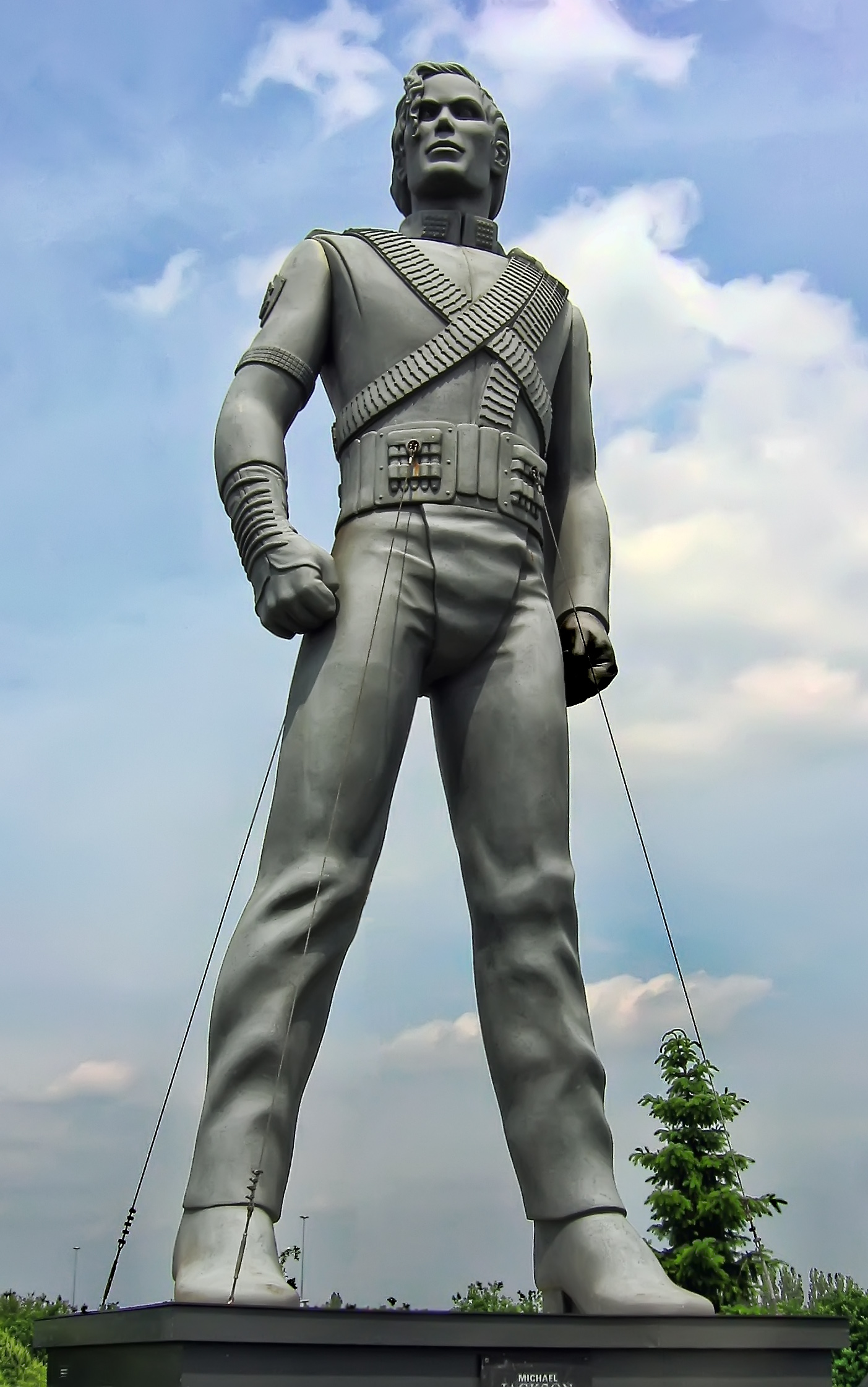
Michael Jackson


Michael Jackson, one of the most popular music performers of all time, died yesterday. Upon hearing the name Michael Jackson, all kinds of images run through one’s mind, although it is quite difficult to separate fact from fiction. Many people long to become famous, but perhaps we should all be thankful to have never attained the kind of fame that tortured Michael’s personality and led to such a complicated and unhappy life. Michael became a kind of living icon, symbolic of so many different issues, including the role of shock and empathy in the construction of mass-mediated stardom. It is impossible to imagine what it would have been like to be him, and difficult to know whether he will be remembered more for the hints of artistry on stage or the tragic symptoms of unbalanced stardom in his personal life. It seems there is much to learn from a careful study of Michael Jackson's life, yet it may take many years to attain an accurate and balanced understanding of who he really was, and the impact he had on American society and popular culture in much of the rest of the world.


Links:

http://news.bbc.co.uk/2/hi/entertainment/8119993.stm


12/29/08

R.I.P. Freddie Hubbard


. . . one of the greatest jazz trumpeters of all time passed away today.

Among Freddie Hubbard's fine recordings is his unforgettable solo on the title track to Herbie Hancock's album Maiden Voyage (1965, Blue Note Records). In the same period he also contributed some highly innovative playing to Eric Dolphy's landmark avant garde album Out to Lunch (1964). In recent decades, some of Freddie Hubbard's great recordings have been from live performances in Japan with the group V.S.O.P.

Link for more information:
http://www.washingtonpost.com/wp-dyn/content/article/2008/12/30/AR2008123002881.html

7/18/08

Future of Jazz Education?


In April 2008, the International Association for Jazz Education declared bankruptcy and was suddenly disbanded after having served the jazz education community for nearly 40 years. Meanwhile, MENC: The National Association for Music Education announced that it may no longer be having national conferences in the United States.

Related links:
http://www.nytimes.com/2008/04/26/arts/music/26jazz.html
http://www.apassion4jazz.net/iaje.html
http://sociomusicology.blogspot.com/2008/04/music-conferences.html

As a Seattle native and former school music teacher, such developments were particularly surprising. Many do not realize this, but Seattle is increasingly regarded nowadays as an important center for innovations in jazz education and popular music pedagogy. In each of the recent Essentially Ellington festivals, Seattle high school bands have attained the highest honors. Garfield High School has produced many important jazz and rock musicians, including Quincy Jones, Jimi Hendrix, Ernestine Anderson, as well as rock drummer Dan Peters (from Screaming Trees, Nirvana and Mudhoney). Nearby, Roosevelt High School has also produced many notable musicians, including Mike McCready (rock guitarist with Pearl Jam), Duff McKagan (rock bassist with Guns N’ Roses and Iggy Pop) and various others. Another important contributor to the local jazz scene has been Washington Middle School, which for many years has had one of the finest middle school level jazz programs in the world.

http://www.iht.com/articles/ap/2008/05/19/arts/NA-A-E-MUS-US-Essentially-Ellington.php

http://www.rooseveltjazz.org

http://seattlepi.nwsource.com/local/360871_needle28.html


Community organizations, such as Earshot Jazz and Experience Music Project, have also contributed to local school music programs through various partnerships.

In the middle school music program that I taught in Seattle several years back, the students benefited greatly from a residency of Jovino Santos Neto, funded by Earshot Jazz. I was also able to attain grant funding from the Simpson Center for the Humanities to bring local artists from many different traditions into the school music program: an Irish fiddler, blues songwriter, Thai and Ghanaian musicians, and various others.

Hopefully the International Association for Jazz Education will be replaced by another organization soon, and I have a feeling that the solution might come from Seattle. Meanwhile jazz education and popular music pedagogy are fully in a groove with many exciting new developments in Europe and Australasia.

1/21/08

MLK Day at Boston University


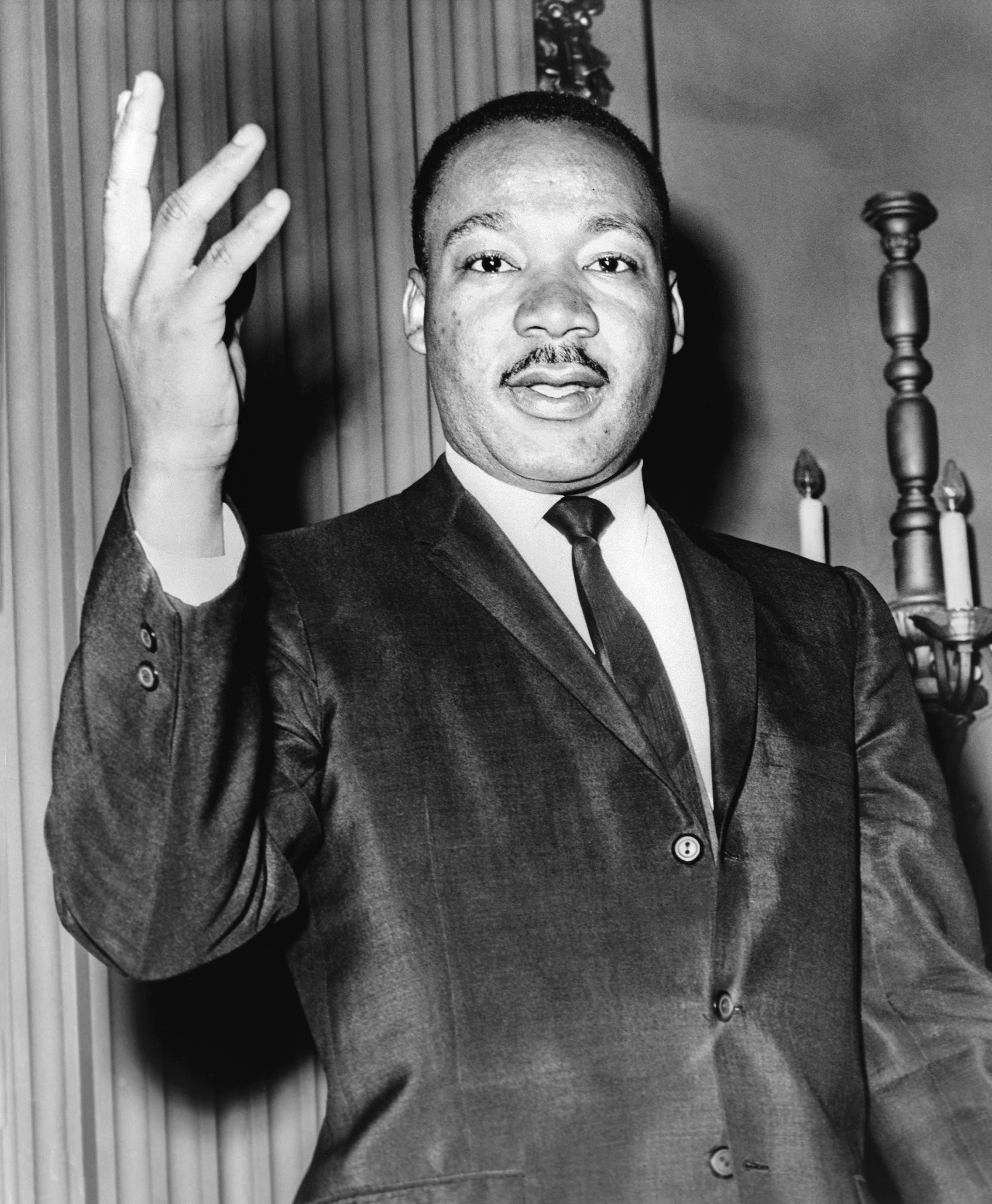
Today is a major national holiday in the United States, Martin Luther King Day. The holiday is in honor of Dr. Martin Luther King, Jr. (1929-1968) a prominent civil rights leader and anti-war activist who earned his PhD here at Boston University in 1955. King’s work has served as inspiration for many musicians, ranging from rock bands such as U2 to contemporary composers such as Joseph Schwantner. His life work has also provided inspiration to many concerned with promoting social justice in both education and community life.

Dr. King was the recipient of the 1964 Nobel Peace Prize:
http://nobelprize.org/nobel_prizes/peace/laureates/1964/king-bio.html


10/4/07

Honkfest Workshop is Here!


-


A multicultural brass band workshop with sociomusicologists Charles Keil and David Hebert.


Honk Workshop: Saturday, Oct 6, 12:30 - 2:30 PM

Tufts University Granoff Music Center
20 Talbot Ave


The purpose of the Honk Workshop is to enable high school, college, and community participants to form a performing Honk ensemble that can march in the Honk parade from Davis Square to Harvard Square on Sunday the 7th. This will entail learning some basic rhythms and horn riffs in the New Orleans second line tradition, a bit of funk, and perhaps some samba and salsa as well.


All levels of musical proficiency are welcome.


The "Honkfest Workshop" is organized by popular music expert Reebee Garofalo at Tufts University as part of Honkfest, October 5-7, 2007 [www.honkfest.org]. Street bands from throughout the United States, and as far away as Italy, Montreal, and New Orleans are joining Honkfest, and the associated workshop provides applied instruction in this important form of community music. The event is sponsored and hosted by the Tufts University Music Department community outreach initiative [http://www.tufts.edu/musiccenter/resources/].


Link to Boston Globe article on Honkfest:

http://www.boston.com/ae/music/articles/2007/10/03/march_madness/


After jamming a bit with them, Edward Buckner asked me to play solo trumpet with the
Original Big Seven Social Aid and Pleasure Club
for their performances at Honkfest. They are an excellent band with great grooves from the heart of New Orleans tradition, and I am thrilled to have the chance to perform with them.


Video of New Orleans Social Aid and Pleasure Club


HONKFEST HIGHLIGHTS:
  • Notable participants include the Somerville Mayor and renowned radio personalities Click and Clack.
  • Performers include the legendary band Original Big Seven from New Orleans in their first New England performance since Katrina.
  • Speakers at the event include Reebee Garofalo (author of notable books such as Rockin Out, Policing Pop, and Rockin the Boat) and Charles Keil (author of numerous music books, including Urban Blues, Tiv Song, Polka Happiness, Music Grooves, My Music, Bright Balkan Morning, and Born to Groove).


VIDEO FROM HONKFEST 2006:


Honkfest West is coming next!:

http://www.honkfestwest.com/links.html

Bluesman Lou Pride at Boston University


Renowned blues musician Lou Pride is performing with Professor Victor Coehlo’s Rooster Blues Band at the Boston University Tsai Center.

I will be playing with the band on trumpet.

The concert is Wednesday night, October 10th at 8pm at Boston University Tsai Center.


Video of Lou Pride:


*Update (8/14/08) - Below is a link to a sound recording from the above concert:
[http://people.bu.edu/blues/roost_pics.html].

9/19/07

Honkfest Workshop coming soon!


- A multicultural brass band workshop with sociomusicologists Charles Keil and David Hebert.


The "Honkfest Workshop" is organized by popular music expert Reebee Garofalo at Tufts University [
www.tufts.edu] as part of Honkfest, October 5-7, 2007 [www.honkfest.org]. Street bands from throughout the United States, and as far away as Italy, Montreal, and New Orleans are joining Honkfest, and the associated workshop provides applied instruction in this important form of community music. The event is sponsored and hosted by the Tufts University Music Department community outreach initiative [http://www.tufts.edu/musiccenter/resources/].


HONKFEST HIGHLIGHTS:
  • Notable participants include the Somerville Mayor and renowned radio personalities Click and Clack.
  • Performers include the legendary band Original Big Seven from New Orleans in their first New England performance since Katrina.
  • Speakers at the event include Reebee Garofalo (author of notable books such as Rockin Out, Policing Pop, and Rockin the Boat) and Charles Keil (author of numerous music books, including Urban Blues, Tiv Song, Polka Happiness, Music Grooves, My Music, Bright Balkan Morning, and Born to Groove).


VIDEO FROM HONKFEST 2006:


RELATED LINKS:

Article on Honkfest 2007:
http://www.townonline.com/somerville/entertainment/x602893894

Prof. Charles Keil:
http://ublib.buffalo.edu/libraries/units/archives/ead/1064/1064.frame.html
The Pathband Concept:
http://128path.org/


Prof. Reebee Garofalo:
www.cpcs.umb.edu/faculty/garofalo.htm

Charlie Keil & Seattle Pathband:

students.washington.edu/esa/path2k.htm